
Explore the remarkable advancements from the precision-driven country known for its automotive excellence. Focus on the unique applications of lightweight materials that redefine performance standards and enhance aerodynamics.
Investigate the integration of cutting-edge propulsion systems that contribute to higher power outputs while maintaining sustainability. Such technologies not only increase speed but also elevate the entire experience of driving.
Analyze the intricate craftsmanship and bespoke modifications available in the market, which cater to the desires of discerning enthusiasts. This pursuit of perfection leads to unparalleled designs that merge aesthetics with functionality, creating masterpieces on wheels.
Examine how the synergy of advanced software in vehicle dynamics and control systems redefines handling capabilities. These advancements pave the way for intuitive systems that respond intuitively to driver inputs, ensuring ultimate performance and safety.
Aerodynamic Advances in German Supercars
Incorporating active aerodynamics enhances performance significantly. Systems like adjustable rear wings optimize downforce at high speeds while reducing drag during cruising. Look into brands that utilize dynamic elements, which modify their configuration based on real-time data from speed and angle of inclination.
Ground effects play a critical role; venturi tunnels integrated into the undercarriage can create a low-pressure zone, assisting in better traction. A flat underbody design minimizes turbulence, aiding airflow management. Seek out models featuring this characteristic for improved handling.
Material choice directly influences aerodynamic efficiency. Lightweight composites reduce mass without sacrificing strength, facilitating smoother airflow. Explore manufacturers that innovate with carbon fiber or aluminum structures to achieve a balance between weight and structural integrity.
Curved surfaces are vital for reducing drag coefficients. Attention to detail in shaping body panels enhances airflow, decreasing resistance. Models that highlight these contours demonstrate superior aerodynamic profiles, maximizing speed while maintaining stability.
Wind tunnel testing is indispensable in the development phase. Manufacturers routinely utilize sophisticated simulations to visualize airflow patterns, identifying areas for refinement. Consider those that emphasize this technique in their design process for optimal results.
Integrating Cutting-Edge Materials in Exotic Vehicle Production
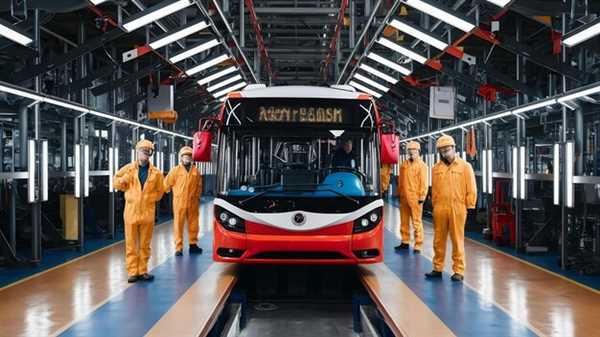
Utilizing carbon fiber composites is crucial for weight reduction and strength enhancement in modern luxury autos. This material offers exceptional rigidity while significantly lowering overall mass, resulting in improved performance and efficiency.
Aluminum alloys are also recommended due to their excellent strength-to-weight ratio. Employing such alloys in the fabrication of the chassis and body panels can lead to enhanced agility and fuel efficiency, making the driving experience more exhilarating.
Incorporating advanced thermoplastics not only aids in decreasing weight but also allows for flexible production processes, thereby reducing manufacturing time. These materials offer versatility in design, enabling manufacturers to produce intricate shapes without compromising durability.
Utilizing high-strength steel in critical structural areas increases crash safety without a substantial weight increase. Coupling this material with sophisticated joining techniques can further enhance overall vehicle integrity.
Consideration of innovative surface coatings can improve aerodynamics and reduce drag, enhancing overall performance. Hydrophobic and self-healing coatings contribute to maintaining the aesthetic and functional aspects of bodywork.
Implementing 3D printing technologies for components allows for rapid prototyping and customization. This approach not only shortens development cycles but also provides opportunities for unique designs tailored to consumer preferences.
Finally, exploring the use of sustainable materials, such as biocomposites, can align production with environmental concerns. This direction not only attracts eco-conscious buyers but showcases a commitment to innovation in a competitive market.
Innovative Powertrain Solutions Revolutionizing German Sports Cars

Utilizing hybrid technologies significantly enhances performance metrics in high-performance automobiles. The integration of electric motors with traditional internal combustion engines offers instant torque delivery, improving acceleration while optimizing fuel consumption.
Adopting turbocharging systems allows for compact engine designs that do not compromise power output. These systems maximize air intake efficiency, resulting in higher horsepower without increasing engine size, thus promoting a lighter chassis.
Implementing dual-clutch transmissions provides rapid gear shifts, reducing lag between transitions. This feature not only enhances driving dynamics but also contributes to smoother power delivery and improved traction, particularly during aggressive maneuvers.
Utilizing lightweight materials such as carbon fiber and aluminum in powertrain assembly reduces overall vehicle weight. This strategy enhances both agility and efficiency, leading to superior handling and responsiveness on the track.
Electric solutions, like regenerative braking, recover energy that would otherwise be lost, channeling it back to support acceleration. This technology extends range and reduces wear on traditional braking components, enhancing longevity and reliability.
Active aerodynamics engage to optimize airflow and cooling, influenced by powertrain output. Adjustments made to the car’s exterior based on speed and power requirements greatly improve stability and control during high-speed operation.
Variable valve timing enhances engine efficiency across a broader RPM range. This enables drivers to extract maximum performance while maintaining low emissions, aligning with contemporary environmental standards.
Lastly, integrating advanced sensors and software optimizes powertrain management. Real-time data analysis tailors performance characteristics to driving conditions and driver preferences, establishing a more engaging and responsive driving experience.