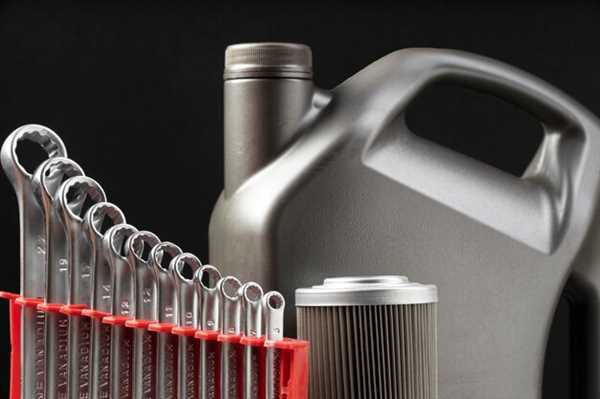
Prioritize synthetic lubricants that offer superior thermal stability and reduced friction, thereby extending the life of your powerplant. Look for products with a high viscosity index to ensure consistent protection across a wide temperature range.
Additives play a pivotal role in maintaining operational efficiency. Select oils fortified with detergents and anti-wear compounds to minimize deposits and wear on critical components. The right blend can significantly enhance the overall performance and lifespan of your system.
Regularly monitor the condition of cooling agents. Antifreeze mixtures containing ethylene glycol provide excellent heat transfer properties, while additives like silicates and phosphates help prevent corrosion. Ensure that the coolant is replaced per manufacturer recommendations to avoid detrimental effects on system integrity.
Pay attention to your fuel choice as well; premium gasoline with detergents can reduce carbon buildup, improving combustion efficiency and protecting engine parts over time. Regular maintenance, including oil changes and fluid top-ups, is crucial to keep your engine running smoothly for years to come.
Understanding Engine Requirements for Optimal Fluid Selection
Prioritize high-quality lubricants that meet the viscosity requirements outlined in the vehicle’s manual. This ensures proper operation and minimizes wear.
Assess the operating temperature range of the power unit. Selecting products designed for both cold starts and high-temperature conditions enhances durability and performance.
Investigate the type of fuels that align with the specific combustion characteristics of your machinery to optimize efficiency and prevent engine knocking.
Evaluate the compatibility of coolants with the engine materials to prevent corrosion and ensure heat dissipation. Regularly check the coolant’s pH levels to maintain its protective qualities.
Incorporate additives that cater to the unique demands of your system, such as detergents that keep the internal components clean and inhibitors that guard against oxidation.
Regular maintenance and testing of fluids prolong their lifespan. Implementing a schedule for fluid changes based on the manufacturer’s recommendations can prevent costly repairs.
Comparing Synthetic and Conventional Fluids for High Performance Engines

Synthetic lubricants outperform traditional types in various metrics. They maintain stability across temperature ranges, reducing the risk of breakdown during extreme conditions. This stability aids in maintaining optimal viscosity, ensuring effective protection against wear and tear.
Conventional oils, while generally less costly, often break down faster under severe stress, leading to increased friction and lower efficiency. These fluids may contain impurities and lack the advanced additives present in synthetics, making them less ideal for demanding applications.
Additionally, synthetics offer superior cleaning properties, minimizing sludge and deposit formation within the motor. This cleanliness promotes operational efficiency and extends intervals between changes. For those seeking maximum longevity, switching to a synthetic option can be a strategic advantage.
For racing or high-stress environments, consider a synthetic oil designed specifically for such conditions. Look for specifications that match or exceed manufacturers’ requirements for performance and protection. Additives such as anti-wear agents and detergents can further enhance the protective qualities against high temperatures and oxidation.
Ultimately, the choice between these two options comes down to usage. For casual driving, a conventional lubricant may suffice. However, for enthusiasts prioritizing engine health and uncompromising performance, synthetic varieties are the recommended solution.
Monitoring Fluid Levels and Condition for Extended Engine Life
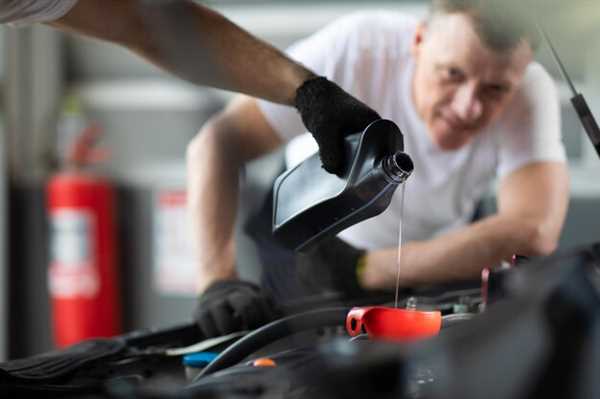
Regularly check oil and coolant levels to maintain optimal operation. Aim to inspect these parameters every 1,000 miles or monthly to catch potential issues early.
Utilize dipsticks or sight glasses to easily gauge oil levels. Ensure your oil is clean and free from contaminants. Dark, gritty oil indicates degradation, suggesting an immediate change is necessary.
Pay attention to coolant condition. Look for signs of corrosion or sediment, which can affect heat transfer and lead to overheating. Flushing and refilling coolant every two years can prevent problems.
Monitor transmission fluid through the designated dipstick. Healthy transmission fluid is typically bright red and clear. Any signs of burning or discoloration warrant immediate investigation.
Use condition-monitoring tools such as oil analysis kits. These can provide insights into wear metals and contaminants, guiding maintenance decisions. Regularly scheduled fluid checks can extend the lifespan of critical components.