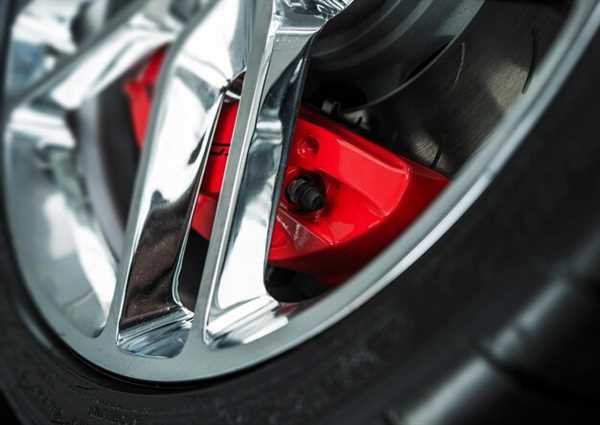
Regular inspection of friction components is critical for ensuring optimal stopping power. Understanding the wear patterns of these elements allows for timely replacement, enhancing overall handling and safety on the road.
Utilize high-performance materials that withstand extreme conditions. Carbon-ceramic rotors and premium pads provide superior heat dissipation, reducing fade and prolonging lifespan. Keep an eye on the thickness of these parts; the minimum tolerance should not be underestimated, as it directly affects responsiveness.
Check the hydraulic system frequently. Consistent monitoring of fluid levels and condition helps to prevent system failures. Replacing the fluid every 18-24 months ensures that moisture doesn’t compromise braking efficiency. Pay attention to the flexibility and integrity of the hoses, as wear can lead to pneumatic issues.
Regularly align the suspension systems. Misalignment contributes to uneven tire wear, which can negatively impact grip and stopping distances. Conduct thorough checks after any performance enhancement or suspension work, ensuring that all components work cohesively.
Finally, consider upgrading to performance pads that offer enhanced modulation and reduced dust. This not only improves overall driving feel but also helps maintain the aesthetic of your wheels. Prioritize these upgrades and evaluations in your vehicle care routine for peak functionality.
Choosing the Right Performance Brake Components for Your Vehicle
Select components with suitable friction material. Options vary from organic to ceramic, depending on usage. Ceramic blends provide better heat resistance, while organic types are lighter and quieter.
Focus on slotted or drilled rotors. These designs enhance cooling and reduce fade. They are beneficial during track usage where repeated braking is required.
Evaluate calipers based on size and number of pistons. Larger calipers with multiple pistons ensure better grip and increased modulation, essential for aggressive driving.
Inspect lines and hoses. Upgrading to stainless steel lines can deliver improved pedal feel and response. Rubber lines degrade over time, affecting performance.
Consider the balance between street and track use. Hybrid setups often provide the superior versatility without sacrificing performance in either setting.
Pay attention to installation and bedding procedures. Proper fitting maximizes efficiency and prevents uneven wear, which protects the entire system.
Regular monitoring and care keep everything functioning at peak levels. Clean components to reduce contamination and prolong their lifespan.
Common Brake Issues and How to Diagnose Them Quickly
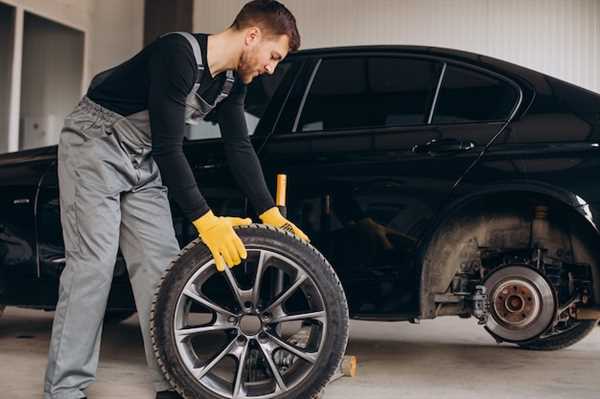
Check for unusual noises like squeaking or grinding. These sounds typically indicate worn pads or damaged components. A thorough inspection can confirm these suspicions before any further damage occurs.
Inspect the pedal feel. If the pedal feels spongy, air might be trapped in the hydraulic system. A firm press should yield immediate responsiveness; if not, a bleeding procedure is required.
Look for fluid leaks. Any signs of brake fluid on the ground or around the system can signify leaks, which compromise the hydraulic pressure and overall functionality. Address any leaks without delay.
Examine rotor condition. Warping or scoring on rotors often leads to pulsation during braking. A visual check for uneven wear can guide decisions on whether resurfacing or replacement is needed.
Monitor warning lights on the dashboard. Any alerts related to the stopping system should be treated seriously, diagnosing the issue quickly can prevent extensive repairs and preserve performance.
Evaluate heat generation. Excessive heat can indicate issues such as calliper sticking or improper pad selection. Ensuring optimal cooling during operation is crucial for maintaining efficiency.
Step-by-Step Guide to Cleaning and Maintaining High-Performance Wheels
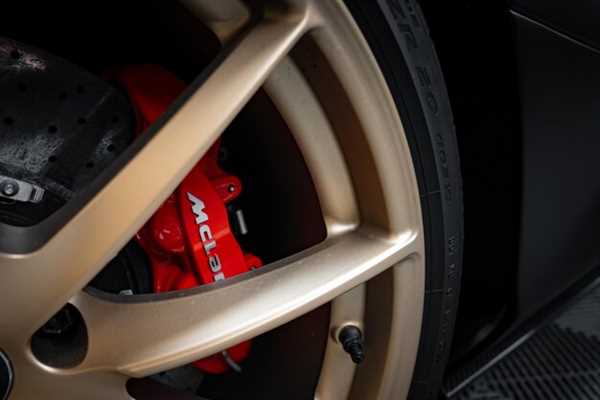
Begin with a thorough inspection. Check for any visible damage or debris. Ensure that all fasteners are tight and secure.
Gather necessary cleaning supplies: a pH-neutral cleaner, soft-bristle brush, microfiber cloths, and a pressure washer or hose. Avoid acidic or harsh chemicals that can harm surfaces.
Rinse the surfaces with water to remove loose dirt. Apply the pH-neutral cleaner generously, letting it sit for a few minutes as recommended by the manufacturer.
Use the soft-bristle brush to scrub any stubborn spots, focusing on the areas around the lug nuts and within the spokes. Ensure to reach all crevices for a thorough clean.
After scrubbing, rinse off the cleaner with a pressure washer or hose to remove all residue. Ensure no cleaning agents are left, as they can lead to corrosion over time.
Dry the surfaces with a microfiber cloth to prevent water spots. Pay attention to areas where moisture tends to accumulate.
Inspect brake components thoroughly for dust and dirt accumulation. Clean these areas carefully, as debris can affect performance.
Once clean, apply a protective sealant or wax designed for high-performance materials. This adds a layer of protection against grime and enhances shine.
Regularly check tire pressure and tread depth, as these factors can significantly impact vehicle response and safety.
Finally, document the cleaning schedule and any inspections performed to ensure consistent upkeep and performance optimization.