For those seeking optimal performance in automotive engineering, choosing the right engine configuration is paramount. Advanced powertrains, often found in high-end sports cars, provide cutting-edge capabilities that standard models cannot match. These sophisticated designs commonly utilize complex components and innovative technologies to achieve superior outputs.
While traditional engines focus on reliability and fuel economy, their high-performance counterparts prioritize power and responsiveness. For instance, hybrid and turbocharged systems often employed in luxury vehicles, exhibit unique characteristics, such as lower weight and increased torque at various RPM ranges. These attributes allow for rapid acceleration and dynamic driving experiences, appealing to enthusiasts who crave adrenaline-fueled journeys.
An informed selection hinges on understanding the specifications and intended use of various configurations. For performance-oriented applications, criteria such as horsepower, torque delivery, and thermal efficiency are fundamental. In contrast, more conventional options may prioritize longevity and ease of maintenance, catering to everyday driving needs.
Key Characteristics of Exotic Engines That Enhance Performance
Advanced materials such as carbon fiber and lightweight alloys reduce weight, contributing to better power-to-weight ratios. This construction fosters rapid acceleration and enhanced handling.
Unique configurations, like flat or W-shaped designs, optimize airflow, improving combustion efficiency. Tailored exhaust systems further amplify this effect, ensuring that exhaust gases exit swiftly, minimizing back pressure.
High-performance variables, including variable valve timing and direct fuel injection, maximize horsepower while maintaining fuel efficiency. These technologies adapt to driving conditions, ensuring a high level of responsiveness.
Turbocharging or supercharging enhances intake pressure, allowing for greater power output from smaller displacements. This results in thrilling acceleration without sacrificing fuel economy.
Precision engineering reduces friction and wear, elevating durability and performance consistency. This focus on detail leads to engines that perform reliably in demanding situations.
Advanced cooling systems maintain optimal operating temperatures, preventing losses in power and ensuring sustained performance during high-stress scenarios. Efficient heat management is key for longevity.
Integrated electronics provide real-time monitoring and adjustments, optimizing performance traits dynamically. Smart systems allow adaptive tuning for various driving conditions.
Comparative Analysis of Maintenance Costs for Exotic vs. Standard Engines
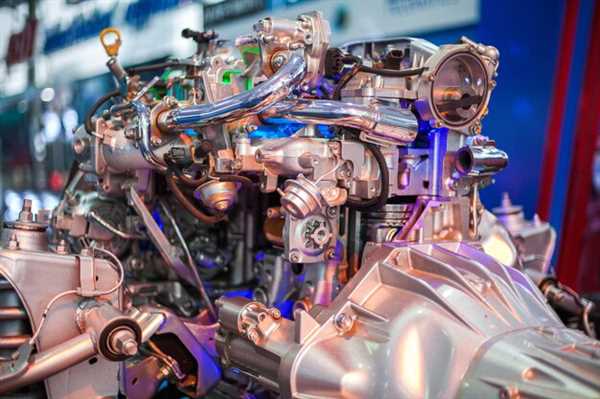
For those considering the ownership of high-performance vehicles, it is critical to analyze ongoing maintenance expenditures. Performance engines, often characterized by advanced technology and high specifications, entail significantly different upkeep costs compared to their conventional counterparts.
The average maintenance costs for standard motors typically range from $300 to $600 annually. These engines benefit from readily available parts and widespread service knowledge among mechanics, leading to lower labor charges and part prices. Routine services, such as oil changes and filter replacements, are usually straightforward, contributing to budget-friendly long-term ownership.
In contrast, maintaining high-performance configurations can escalate costs to $1,500 or more per year. Rare components, specialized lubricants, and expert technicians often drive up expenses. For example, performance-focused oil changes may necessitate synthetic fluids and specific filters that are noticeably pricier than standard alternatives.
Parts availability also plays a role. While traditional models benefit from a competitive aftermarket, high-performance setups often rely on dealer-exclusive parts. This can lead to longer wait times and increased prices. On top of that, some performance models are built with a focus on track capabilities, resulting in wear rates that escalate repair frequency, thereby further inflating expenses.
Owners should also factor in enhanced wear on tires and brakes, which are more often replaced at shorter intervals in performance vehicles. Budgeting for brake pad replacements every 20,000 miles and tire changes every 10,000 miles can significantly impact the total cost of ownership.
Choosing an option with a lower maintenance burden can increase overall vehicle satisfaction. Evaluating predicted costs and balancing with performance aspirations can dictate long-term enjoyment and financial commitment. Thorough research, combined with accurate budgeting for upkeep, is indispensable for any potential owner.
Real-World Applications: When to Choose an Exotic Engine for Your Vehicle

Select a high-performance powertrain for racing scenarios such as motorsport competitions, where acceleration and speed are paramount. Vehicles designed for tracks often benefit from advanced configurations, significantly enhancing their output and responsiveness.
Consider this option for luxury vehicles targeting affluent consumers who seek exclusivity and superior handling. These setups often feature bespoke engineering, delivering remarkable driving experiences that attract enthusiasts willing to invest in prestige.
Utilize specialized types for unique applications like off-road adventures or extreme weather conditions. Advanced thermal management and adaptive capabilities in these systems provide essential resilience, ensuring effective performance across diverse terrains.
For custom builds or show cars, these alternatives allow for personalization and standout features that showcase engineering ingenuity. Customization options make these configurations appealing for car enthusiasts who intend to create distinctive and memorable projects.
Evaluate the need for high power-to-weight ratios in vehicles intended for high-speed cruising or competitive racing. Lightweight components paired with powerful configurations can lead to superior handling, enhancing the overall driving dynamics significantly.