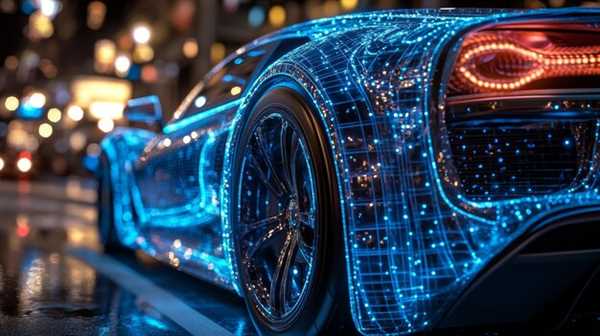
Integrating advanced design elements is fundamental for enthusiasts seeking thrilling performance. Look for dynamic aerodynamics, which optimize airflow and enhance stability at high speeds. Active spoilers and adjustable suspension systems become pivotal features that significantly improve handling and responsiveness on various terrains.
Another critical aspect revolves around propulsion systems. Hybrid and electric powertrains are gaining traction, providing both conservation and acceleration. These systems not only boost efficiency but offer an exhilarating driving experience through instant torque delivery. Prioritizing lightweight materials like carbon fiber and titanium is also beneficial, as they enhance speed and agility without compromising structural integrity.
Furthermore, advanced dashboard interfaces are essential for modern drivers. Seek out intuitive heads-up displays that convey essential information without distraction. Integration of smart connectivity tools can transform the driving experience, allowing for seamless navigation and personalized settings. High-quality sound systems with immersive audio capabilities add to the enjoyment, making every drive a complete sensory experience.
In the quest for cutting-edge performance, prioritize safety innovations as well. Adaptive cruise control, lane-keeping assistance, and advanced braking systems work together to ensure a secure journey. The marriage of luxury and high-tech solutions serves as a hallmark of vehicles that cater to discerning tastes while pushing the boundaries of engineering excellence.
Integration of AI for Enhanced Driving Experience

Implement predictive analytics to tailor driving settings based on individual preferences, improving comfort and handling. AI algorithms can learn from user behavior, adjusting suspension stiffness, throttle response, and steering weight dynamically.
Utilize real-time data from various sensors to create adaptive safety systems. AI can identify potential hazards and respond proactively, enhancing the driver’s confidence and overall safety.
Incorporate advanced voice recognition systems for seamless interaction, allowing users to control navigation, entertainment, and climate settings without distraction. This integration enhances engagement while maintaining focus on the road.
Develop personalized driving modes powered by machine learning, enabling vehicles to adapt to different driving conditions or user moods. This could include environment awareness, adjusting traction control and torque delivery during inclement weather.
Enhance navigation systems with AI-driven route optimization, accounting for traffic patterns, weather conditions, and driver preferences, guaranteeing a smoother and more efficient transit experience.
Integrate AI-powered virtual assistants capable of offering tailored recommendations for maintenance and upgrades, ensuring the vehicle remains at peak performance while personalizing the user experience further.
Adopt connectivity with smart devices, allowing for remote monitoring and diagnostics. User-centric apps can provide alerts and insights based on the car’s performance, heightening the driving experience through proactive management.
Advanced Materials for Weight Reduction and Performance
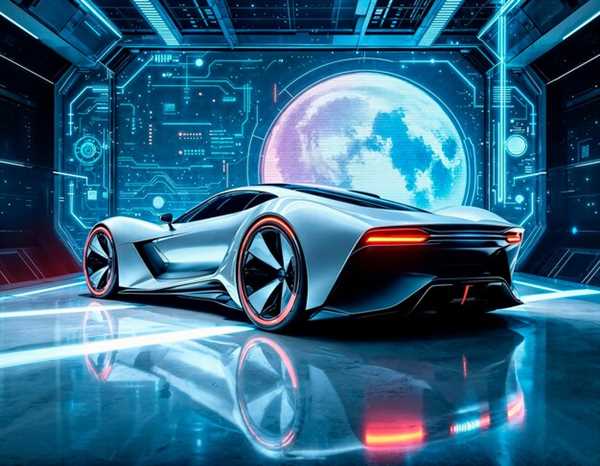
Incorporate carbon fiber components to decrease mass while enhancing rigidity. This lightweight composite is ideal for body panels and reinforcement structures, providing significant strength-to-weight ratios.
Utilize titanium alloys, particularly in exhaust systems and engine components, to achieve exceptional durability with lower weight compared to traditional materials. The high melting point and corrosion resistance of titanium enable consistent performance under extreme conditions.
Implement aluminum alloys through innovative manufacturing techniques, such as hydroforming, to create complex shapes with reduced material usage. This approach allows for greater design freedom while maintaining structural integrity.
Explore the use of magnesium for select parts, like engine blocks or transmission housings. Although less common, magnesium offers a high strength-to-weight ratio, contributing to overall agility and responsiveness.
Consider using advanced polymer composites that combine lightweight fibers with resin systems. These materials can be tailored for specific mechanical properties, enhancing performance without compromising safety.
Adopt 3D printing technologies for parts that require rapid prototyping or low-volume production. This method can minimize waste and allow for intricate designs that were previously unfeasible with traditional manufacturing.
Focus on nanomaterials for enhanced characteristics. They can improve wear resistance and reduce friction in moving parts, leading to better efficiency and performance longevity.
Experiment with multi-material designs where different materials are strategically combined. This hybrid approach leverages the advantages of each material, optimizing performance metrics while reducing overall vehicle weight.
Cutting-Edge Safety Systems and Autonomous Driving Capabilities
Advanced collision avoidance systems employ radar and camera technologies to detect and respond to obstacles, reducing the likelihood of accidents. These systems analyze surroundings in real-time, ensuring swift action against potential dangers.
Lane-keeping assistance uses sophisticated sensors to monitor lane markings and applies corrective steering inputs to prevent unintentional lane departures. This feature enhances driver awareness and vehicle control during long drives.
Adaptive cruise control utilizes high-precision sensors to automatically adjust speed in relation to the traffic ahead. This functionality not only maintains a safe distance but also alleviates driver fatigue on lengthy trips.
Automatic emergency braking reacts instantaneously to imminent collisions, applying the brakes autonomously if the driver fails to respond. Such a system significantly minimizes impact severity or avoids collisions altogether.
Some vehicles incorporate advanced driver monitoring systems that track driver attentiveness. By using facial recognition and eye-tracking technology, these systems can issue warnings if signs of drowsiness or distraction are detected.
Robust 360-degree camera systems provide an aerial view of the vehicle’s surroundings, assisting in parking and maneuvering. These visual aids ensure greater awareness of nearby objects and pedestrians.
Incorporating vehicle-to-vehicle communication enables cars to share important information about traffic conditions, hazards, and more, creating a connected environment that enhances safety for all road users.
Cutting-edge autonomous driving capabilities empower vehicles to take control of driving tasks under specific conditions. This technology includes predictive algorithms that assess and react to dynamic traffic scenarios, improving safety and efficiency.
Consider systems equipped with remote parking assistance, allowing drivers to control the vehicle from outside, eliminating the stress of tight parking spaces.
Investing in automobiles that prioritize comprehensive safety systems not only protects drivers and passengers but also enhances overall driving pleasure and confidence on the road.