To achieve optimal track speeds, prioritize a low drag coefficient in your sculpted masterpiece. Designs aimed at reducing wind resistance not only enhance stability but also maximize acceleration. Incorporating features such as active spoilers and streamlined body shapes allows for dynamic adjustments based on driving conditions.
Invest in computational fluid dynamics simulations early in the development process. This will ensure that every contour and curve of your model is meticulously optimized to channel airflow efficiently. Cutting-edge materials and construction techniques can further reduce weight, amplifying both agility and responsiveness.
Incorporate sophisticated testing methods, including wind tunnel experiments, to validate your aerodynamic strategies. Gathering real-time data on airflow patterns around your prototype will provide invaluable feedback, enabling you to refine designs ahead of market entry.
Consider how cooling systems and airflow management can be integrated into your aesthetic choices. An effective balance between function and visual appeal can offer significant advantages, maintaining engine performance while captivating potential buyers with striking aesthetics.
The Role of Wind Tunnel Testing in Optimizing Exotic Car Shapes
Wind tunnel assessments are paramount for refining the contours of high-performance vehicles. These tests allow engineers to evaluate airflow patterns around sleek bodies, providing critical information on drag and lift coefficients.
Data from these controlled environments leads to modifications in the vehicle’s surface geometry. For instance, adding rear diffusers or altering the angle of the windshield can significantly enhance stability at high velocities. Each change is meticulously analyzed against raw CFD (Computational Fluid Dynamics) results, ensuring that theoretical models align with real-world behavior.
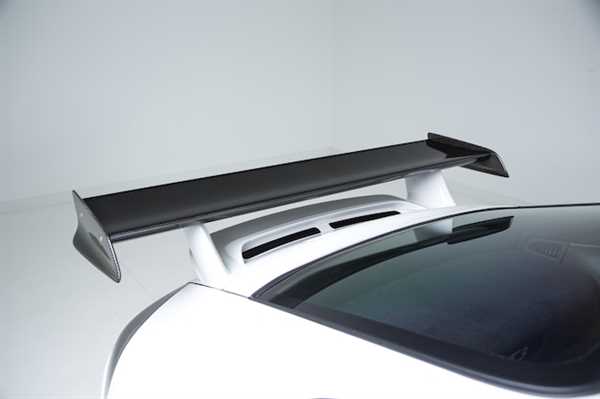
Furthermore, specific features like air intakes and spoilers can be fine-tuned during iterations. The layering of various shapes is essential; slight adjustments can result in substantial improvements in handling and acceleration, making each prototype closer to optimal performance standards.
Real-time feedback during testing boosts the efficiency of the development process. By simulating a range of velocities, engineers can gather vital insights on the vehicle’s reaction under different conditions, leading to a truly balanced ensemble of aesthetics and mechanics.
In conclusion, wind tunnel experimentation is indispensable for maximizing the potential of innovative vehicle structures, allowing designers to achieve unparalleled excellence in performance and style.
Real-World Impacts of Aerodynamic Features on Performance Metrics

Incorporating specific characteristics can significantly enhance vehicle throughput, stability, and fuel efficiency. For instance, an optimized rear wing not only boosts downforce but also reduces drag, leading to improved handling characteristics at high speeds.
Consider vehicles equipped with front splitters; these components direct airflow to maintain traction. Data indicates that such features can reduce lap times by up to 3% under competitive conditions. Additionally, a smooth underbody design decreases turbulence, which can enhance fuel economy by approximately 5% during highway driving.
Utilizing computational fluid dynamics (CFD) during the development phase allows for precise adjustments that impact both speed and agility. Adopting venturi tunnels can also create a beneficial ground effect, contributing to quicker cornering speeds.
Real-world testing highlights that reducing overall weight while maintaining shape integrity can lead to an enhanced power-to-weight ratio, vital for acceleration. Features like active aerodynamics, where elements adjust according to speed, can further optimize handling and efficiency across various driving scenarios.
Investing in these advancements, manufacturers can achieve a competitive edge, reinforcing their position in the performance sector. Immediate feedback from both simulation data and track testing helps refine these attributes for optimal results.